

Comment (03)
Insider Knowledge from Industry Leaders
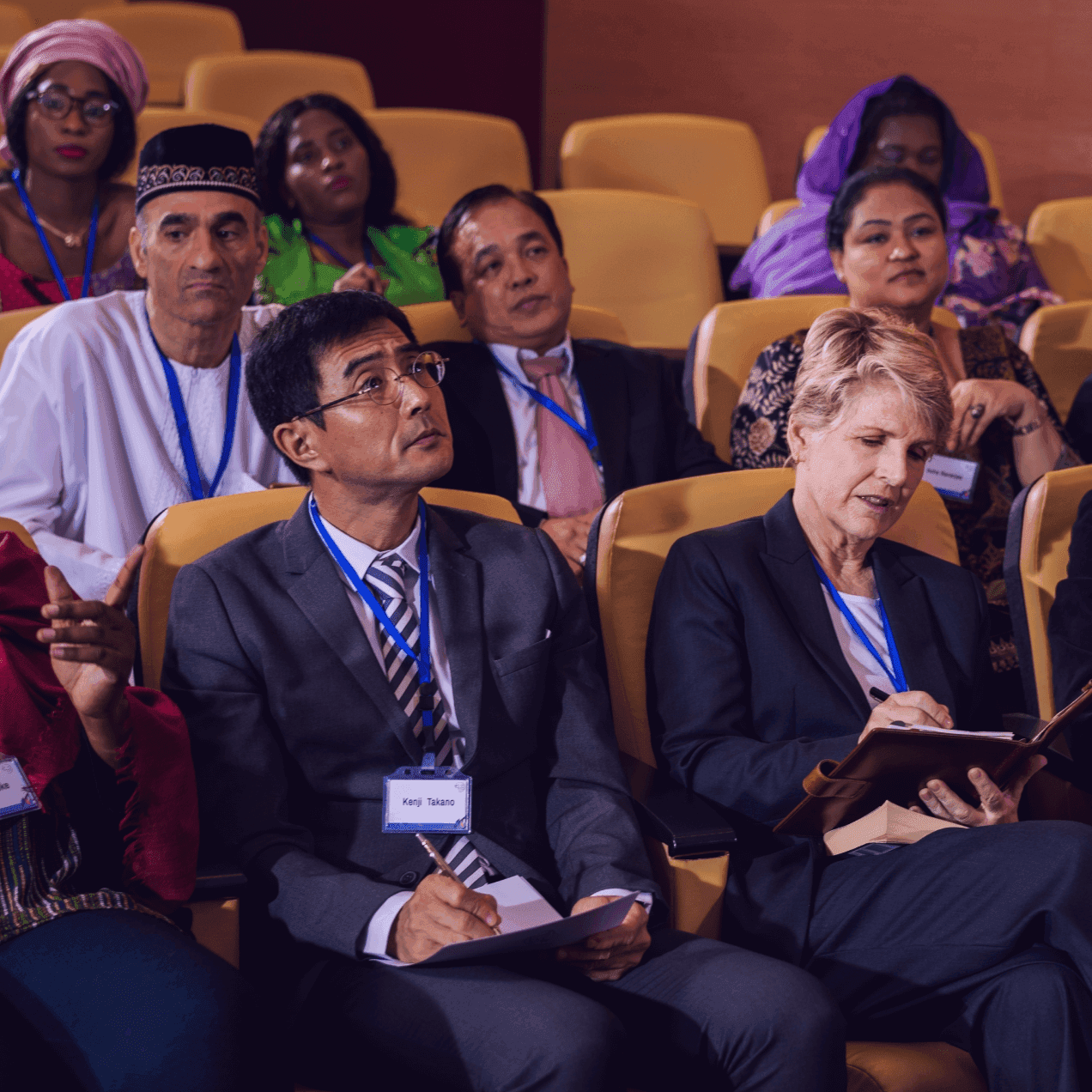
Organizing a successful conference requires careful planning, attention to detail, and effective execution. From selecting the right venue to curating an engaging agenda, every element plays a vital role in creating a seamless experience for attendees. A well-structured conference not only educates and inspires participants but also fosters networking opportunities and industry collaborations.
One of the key aspects of a great conference is securing knowledgeable and engaging speakers. The right speakers can captivate the audience, deliver valuable insights, and make the event memorable. Additionally, leveraging digital tools for registration, ticketing, and live streaming can enhance accessibility and engagement.
What Are Digital Working Events?
Digital working events are virtual or hybrid gatherings designed for professional collaboration, networking, and knowledge-sharing. These events take place online through platforms like Zoom, Microsoft Teams, or custom event portals, allowing participants to engage from anywhere in the world.
Types of Digital Working Events
Virtual Conferences & Summits – Large-scale events with keynote speakers, panel discussions, and breakout sessions.
Networking & Meetups – Virtual spaces for professionals to connect and exchange ideas.
Online Trade Shows & Expos – Digital booths and product showcases for businesses.
Webinars & Workshops – Interactive learning sessions focused on specific topics.


Marketing and promotion are also critical for ensuring a good turnout. Utilizing social media, email campaigns, and partnerships with industry leaders can help spread the word effectively. Lastly, always collect feedback from attendees to improve future events and continue delivering high-quality experiences.
Benefits of Digital Working Events
Global Reach: Participants can join from anywhere, increasing accessibility.
Cost-Effective: No travel, venue, or accommodation costs.
Data & Insights: Event analytics help organizers improve future events.
Marketing and promotion are also critical for ensuring a good turnout. Utilizing social media, email campaigns, and partnerships with industry leaders can help spread the word effectively. Lastly, always collect feedback from attendees to improve future events and continue delivering high-quality experiences.
How to Host a Successful Digital Event
Hosting a successful digital event requires strategic planning, the right technology, and engaging content. Here’s a step-by-step guide to ensure a seamless experience for both organizers and attendees. Select a platform that fits your event type (e.g., Zoom, Microsoft Teams, Hopin, Webex, Airmeet). Ensure it supports interactive features like live Q&A, breakout rooms, and chat. Structure sessions with keynote speakers, panel discussions, and breakout rooms. Keep sessions short and interactive to maintain engagement. Use gamification (polls, quizzes, giveaways) to encourage participation.